
Pet Integrative Rehabilitation & Physical Medicine
Integrative Rehabilitation & Physical Medicine
At Cascade Summit Animal Hospital, we believe in treating the whole animal, not just the injury or diagnosis. Our integrative approach combines veterinary rehabilitation techniques with therapeutic modalities to restore function, reduce pain, and promote lifelong wellness.
Whether your pet is recovering from surgery or slowing down with age, our goal is to help them move freely and comfortably—every step of the way.

Core Values
- Pet-centered: Offer faster, more effective recovery from surgery or injury, improve mobility for chronic conditions like arthritis, and enhance quality of life through individualized treatment plans.
- Owner engagement: Empower owners with education and at-home exercise plans to help them participate actively in their pet’s recovery.
- Integrative approach: Our team blends veterinary science, physical medicine, and compassionate care to deliver integrative rehabilitation.
What is Veterinary Rehabilitation?
Veterinary rehabilitation is a specialized form of care that helps pets recover from injury or surgery, manage chronic conditions, and stay active as they age.
It uses proven techniques—such as hands-on therapy, guided exercises, and therapeutic technologies—to:
- Reduce pain
- Restore strength and mobility
- Improve balance and coordination
- Speed up healing
- Support long-term comfort and quality of life
Rehabilitation is not just a list of exercises. It’s a personalized treatment plan designed around how your pet’s body heals, moves, and adapts.

How Does Rehabilitation Help My Pet?
Rehabilitation works by supporting the body’s natural healing processes and retraining movement patterns. Here’s how –
- Tissue Healing: Targeted therapies help injured tissues heal properly, reducing scar tissue problems, and promoting stronger recovery.
- Muscle & Nerve Re-Training: After surgery or injury, pets often lose strength, coordination, or balance. Rehabilitation helps “re-teach” muscles and nerves how to work together again.
- Pain Relief: Hands-on therapy, controlled exercise, laser therapy, acupuncture, and other techniques help reduce pain and inflammation—often decreasing the need for medications.
- Improved Mobility: Gentle stretching and strengthening restore joint movement and flexibility.
- Confidence & Emotional Well-Being: Pain and limited mobility can cause anxiety or fear. As pets regain strength and movement, their confidence and happiness often improve, too.
Commonly Treated Conditions
The list below includes commonly treated conditions with rehabilitative therapies:
- Arthritis (also known as osteoarthritis, degenerative joint disease)
- Hip dysplasia
- Elbow dysplasia
- Cruciate ligament tears
- Tendinopathies
- Fracture repair
- Amputation
- Intervertebral disc disease (IVDD)
- Spondylosis deformans
- Lumbosacral disease
- Fibrocartilagenous embolism (FCE)
- Polyneuropathy (GOLPP)
- Geriatric or “Old Dog” vestibular disease
- Obesity and weight management
This list is not exhaustive, and many of these conditions require both surgical repair and rehabilitation. When rehabilitation is used in conjunction with surgical repair, it can help pets return to normal activity faster and more safely.

Senior Pet Support
As pets age, they naturally lose strength and balance. Rehabilitation helps senior pets:
- Stay mobile longer
- Maintain muscle mass
- Improve balance
- Prevent falls
- Remain independent and engaged
Rehabilitation can help aging pets stay comfortable and active for as long as possible.
Weight Management
Structured exercise programs help overweight pets safely lose weight while protecting their joints and improving overall health.
Post-Surgical Recovery
Rehabilitation can reduce complications, speed healing, and improve comfort after many types of surgeries—not just orthopedic procedures.
Hospice & Palliative Care
Gentle rehabilitation techniques can help pets remain comfortable, mobile, and dignified during end-of-life care.
Frequently Asked Questions
Is Veterinary Rehabilitation Evidence-Based?
Yes. Research in veterinary medicine and comparative human medicine shows that rehabilitation:
- Speeds recovery after orthopedic surgery
- Improves neurologic outcomes
- Reduces long-term lameness
- Helps manage arthritis pain
- Enhances strength and mobility
- Improves quality of life in senior pets
As research continues to grow, rehabilitation techniques continue to evolve—ensuring pets receive safe, science-based care.
What Makes Rehabilitation Different From Regular Exercise?
What happens at the first rehabilitation session?
- A detailed medical history review
- Movement and gait assessment
- Joint and muscle evaluation
- Pain assessment
- Discussion of home modifications and goals
From there, we create a personalized treatment plan tailored specifically to your pet’s needs. We believe in working with each pet and finding what motivates them to be an active participant in their rehabilitation.
How do you keep my pet motivated during rehabilitation sessions?
We use positive, Fear Free–aligned motivation techniques to keep sessions encouraging and low-stress. Here’s how:
-
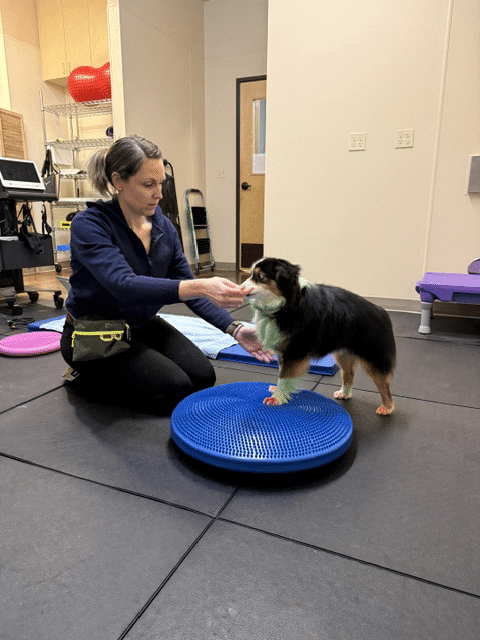
High-Value Food Rewards: Small, irresistible treats help reinforce effort and participation. We use small amounts in an effort to prevent overfeeding and to keep your pet focused. The reward should be more exciting than their regular food.
-
For Dogs – small amounts of squeeze cheese, freeze-dried liver, frozen baby food.
-
For Cats – Churu lickable treats, small amounts of tuna fish flakes.
-
-
Non-Food Positive Reinforcement: Not all pets are food-motivated—and that’s okay! We also use –
-
Attention and Verbal Praise: A happy, cheerful tone of voice, verbal encouragement when your pet tries something new.
-
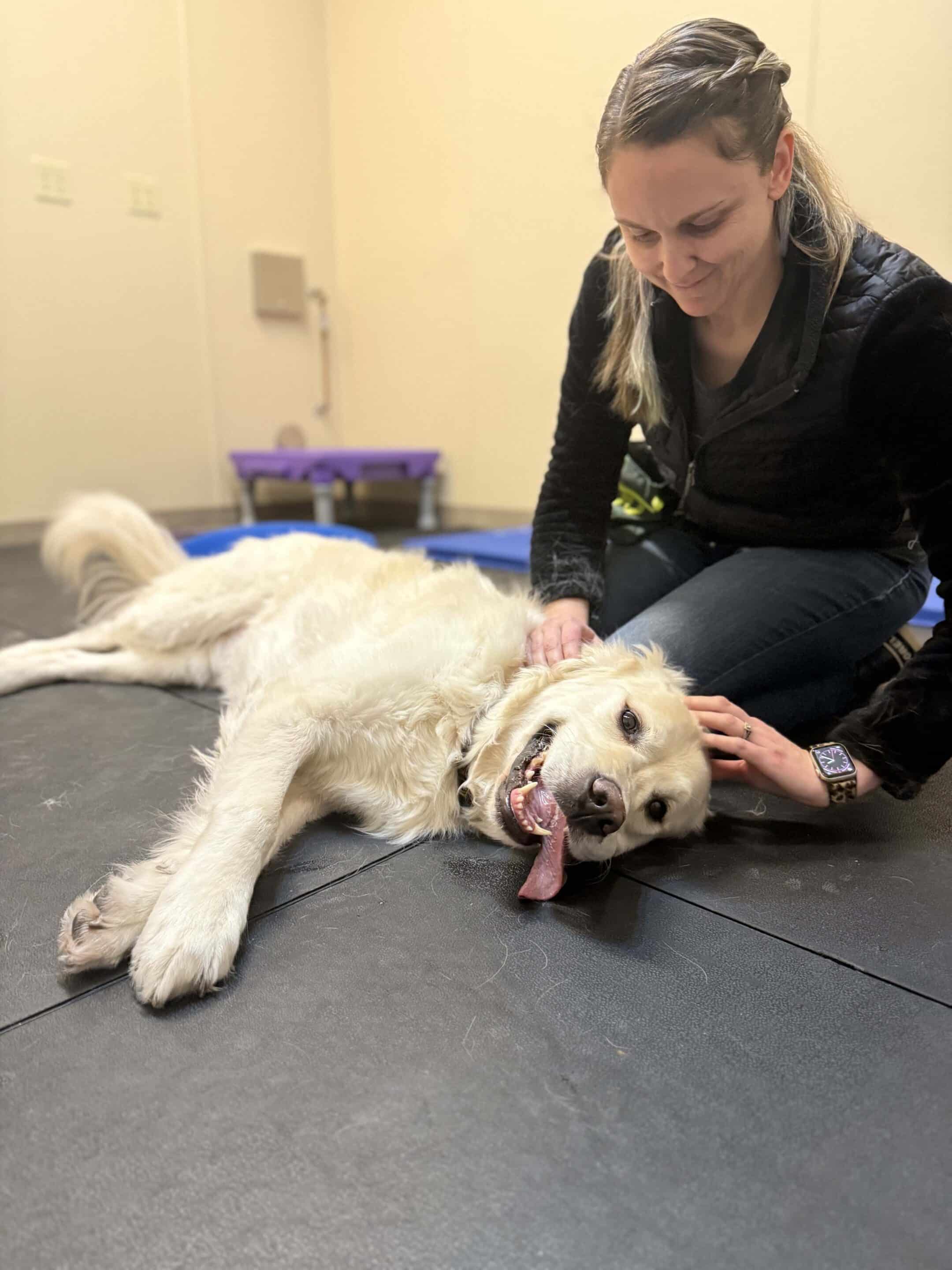
Physical Affection: Gentle chest rubs, scratches behind the ears, or calm petting.
-
Pet-Owner Interaction: Your presence is incredibly powerful! Many pets are more confident and motivated when their trusted person is involved. Including you in the process not only improves participation during sessions but also makes home exercises easier, more successful, and strengthens the bond between you and your pet.
-
By combining medical expertise with positive reinforcement and meaningful owner involvement, we create sessions that are engaging, low stress, confidence-building, relationship-centered, and tailored to your pet’s personality.
Rehabilitation is a partnership between your pet, your veterinary team, and you. When everyone works together, progress is faster, smoother, and more enjoyable for all!
Is rehabilitation safe for my pet?
Safety and patient comfort are always our top priorities.
Will my pet be in pain during therapy?
How long does rehabilitation take?
What types of therapies might be used?
- Manual therapy (i.e. stretching, massage)
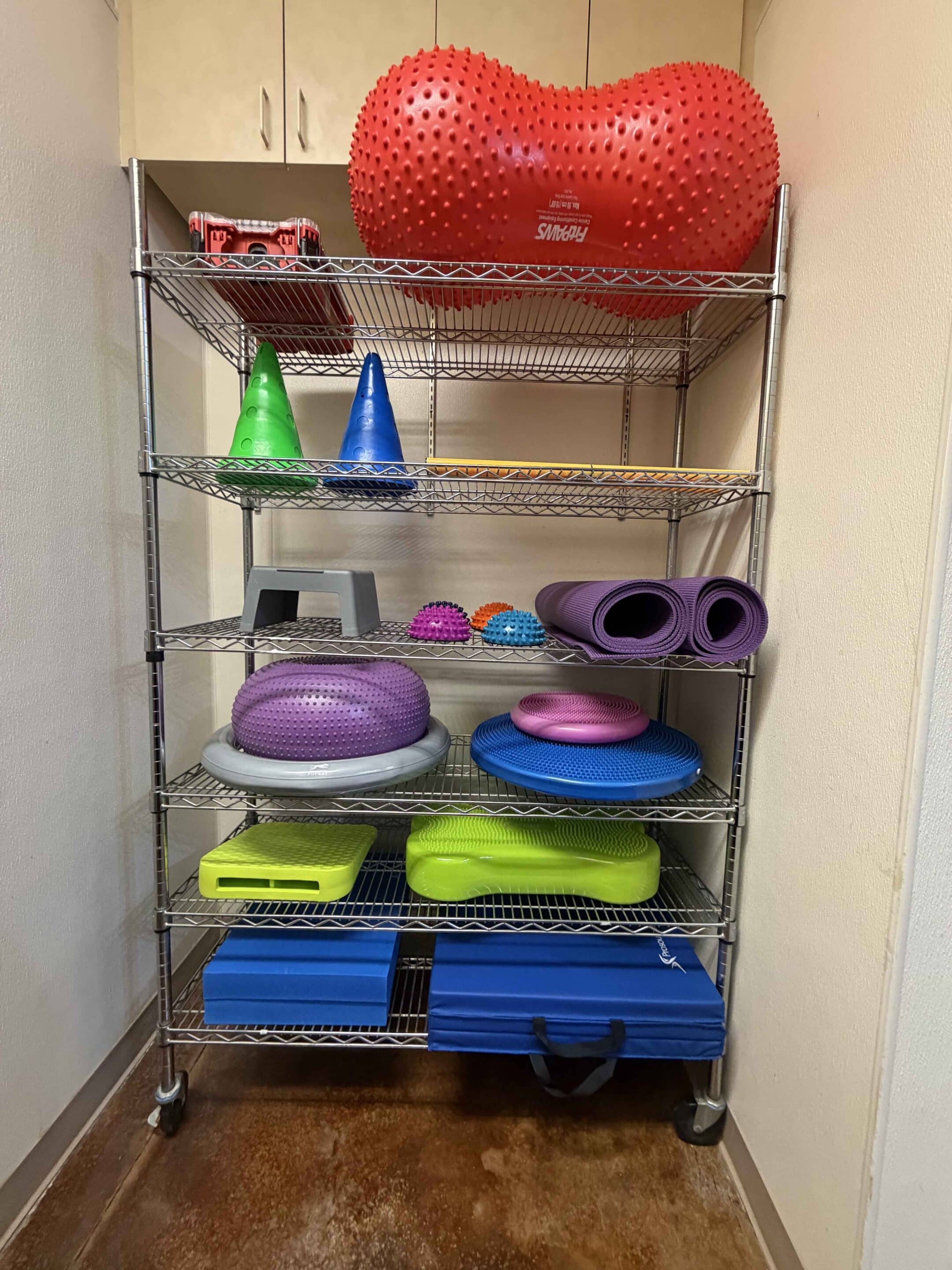
- Therapeutic exercise and movement therapy
- Balance and coordination training
- Neuromuscular electrical stimulation
- Transcutaneous electrical stimulation
- Pulsed electromagnetic field therapy
- Acupuncture for trigger points and myofascia
- Laser therapy (also known as photomedicine or photobiomodulation)
- Cryotherapy (i.e. icing)
- Thermotherapy (i.e. warm compress)
Each plan is individualized—there is no one-size-fits-all program.