
SENIOR CAT CARE IN WEST LINN, OR
Healthcare for Your Aging Cat
Do you have an older cat? When is a cat truly a senior citizen? There’s no single age that defines this; every cat ages differently. However, the American Association of Feline Practitioners (AAFP) provides the following general guidelines:
- Mature to middle-aged: 7–10 years
- Senior: 11–14 years
- Geriatric: 15+ years
With a focus on wellness and preventive care, the team at Cascade Summit Animal Hospital is here to support you and your cat through every stage of life, especially the senior years. Knowing your cat’s life stage can help you watch for early signs of health issues. Because cats often hide illness, problems may appear suddenly, so close monitoring between exams is important.
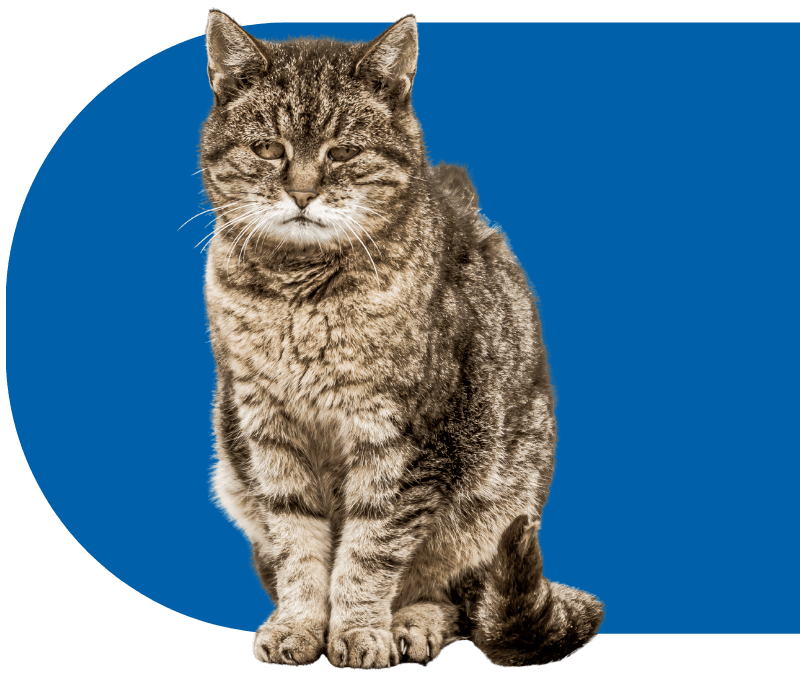
Health Issues in Senior Cats
Cats age more rapidly than humans, and age-related diseases are common in senior cats. Early detection and treatment can make a significant difference in their quality of life. Unexplained weight loss or gain, or changes in behavior and routine such as grooming or litter box habits, may indicate health issues.
We recommend bi-annual (every 6 months) exams for senior cats. Regular wellness visits allow us to identify and manage age-related changes early. Please contact us immediately if you notice any of the following symptoms:
- Increased drinking or urination
- Sudden weight loss or gain
- Changes in appetite (increase or decrease)
- Repeated vomiting or diarrhea lasting over three days
- Difficulty passing stool or urine
- Changes in litter box habits
- Decreased vision or hearing
- Persistent sores or scabs
- Bad breath or drooling lasting more than two days
- Abdominal swelling
- Lethargy or excessive sleeping
- Hair loss or scratching in specific areas
During your cat’s senior wellness exam, we’ll review their full medical history and note any health or behavior changes since the last visit. We’ll perform a comprehensive physical exam, check for arthritis or muscle weakness, and conduct a visual dental exam. The visit also includes internal and external parasite prevention and heartworm protection.
Our Senior Cat Wellness Exam
We may recommend additional tests to assess internal organ function and detect early disease, including:
- Blood pressure screening
- CBC (complete blood count)
- CHEM screen (liver and kidney function)
Urinalysis - T4 (thyroid function)
Additional testing may be advised based on your cat’s results. Frequency and type of testing will vary depending on your pet’s individual needs.
Weight Management
Weight management and proper nutrition are essential for senior cats. The right food depends on your cat’s age, breed, weight, and overall health. Obesity is a common issue in older pets and can contribute to heart, liver, kidney, and joint disease.
During your cat’s wellness exam, we’ll evaluate their weight and nutrition plan and provide recommendations to support optimal health and longevity.
Important Tips to Consider
- Schedule wellness blood screenings early—baseline results help detect health changes later.
- Regularly check for lumps or bumps, noting their size, color, and texture.
- Keep a journal of any changes in mobility, behavior, or litter box habits.
- Remember that “slowing down” may be a sign of pain—talk to us about pain management options.
- Maintain your cat’s ideal weight to reduce health risks.
- Encourage gentle exercise and mental stimulation to keep your senior cat active and engaged.